


By Pedro Ardón
El Inmobiliario
SANTO DOMINGO. – In a world where inclusion is increasingly seen as a requirement within society, accessible architecture is becoming a growing niche, playing an essential role.
In an interview with El Inmobiliario, Adis Ozuna, a specialist in design for all, delved into the progress, challenges and importance of universal accessibility in the construction of spaces for people with disabilities in the Dominican Republic.
Adis Ozuna, an architect with a solid academic background that includes a Bachelor of Architecture, a Master of Architectural Design and a specialization in Universal Accessibility, shared her story of how universal accessibility became her passion.
From the moment she began her research for her master's thesis, she realized that the Dominican Republic was one of the most lagging countries in the region in terms of accessibility. This reality motivated her to specialize and make inclusive design the driving force of her career.
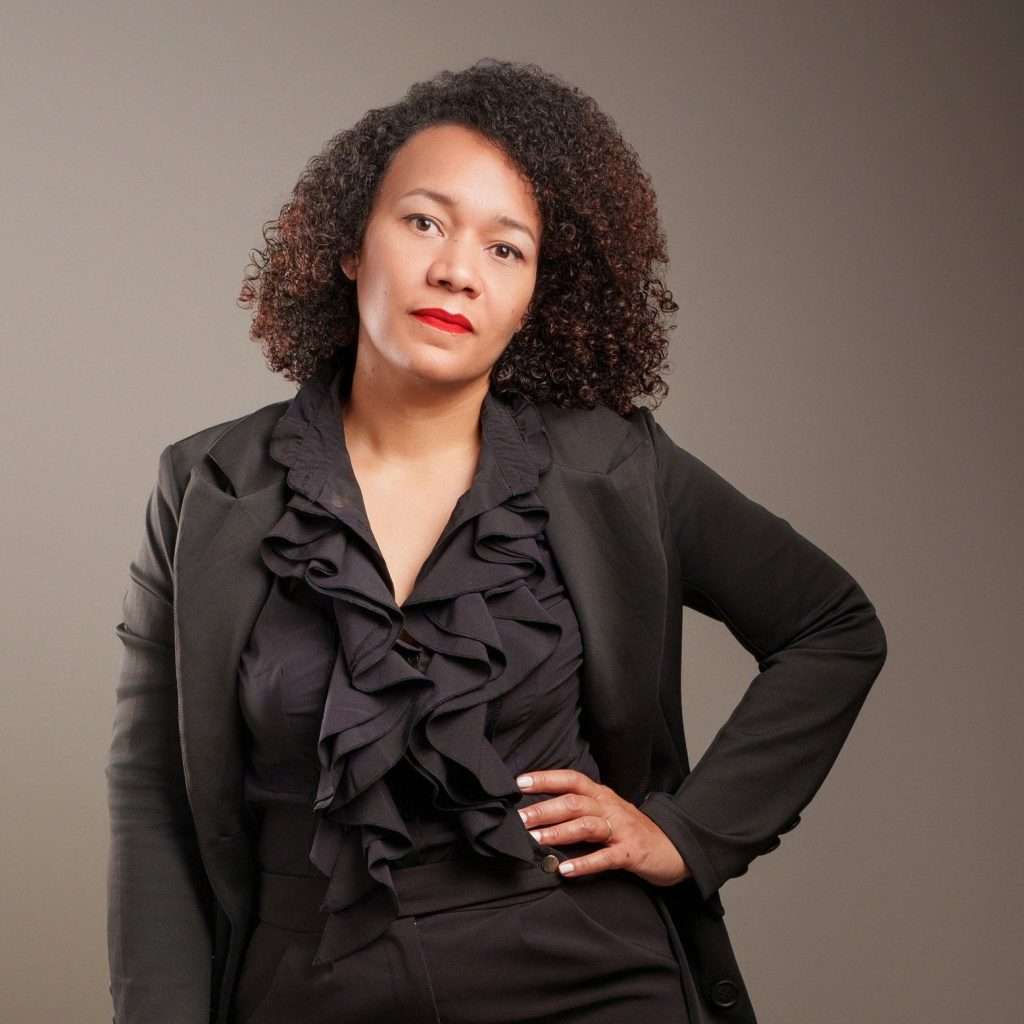
“Universal accessibility is not just a technical requirement, but an ethical commitment to the inclusion of people with disabilities. Architectural barriers, as well as communication and technological barriers, limit people's mobility, independence, and dignity,” Ozuna stated.
In her explanation of the concept of “accessibility” in architectural design, the specialist pointed out that it involves creating spaces that can be used by all people, regardless of their abilities. It is not limited to eliminating architectural barriers, but also includes elements such as color contrast for people with low vision or the inclusion of appropriate signage for deaf people.
“Universal accessibility seeks to ensure that any space, from buildings to services, is accessible to everyone, without exception. This approach not only improves the quality of life for people with disabilities, but also enriches the entire society,” the architect added.
One of the biggest challenges on the path to accessible architecture is the lack of technical knowledge about the regulations and principles that govern inclusive design. Ozuna pointed out that often, even when applying regulatory manuals, errors are made in implementation that render certain accessible elements in buildings ineffective.
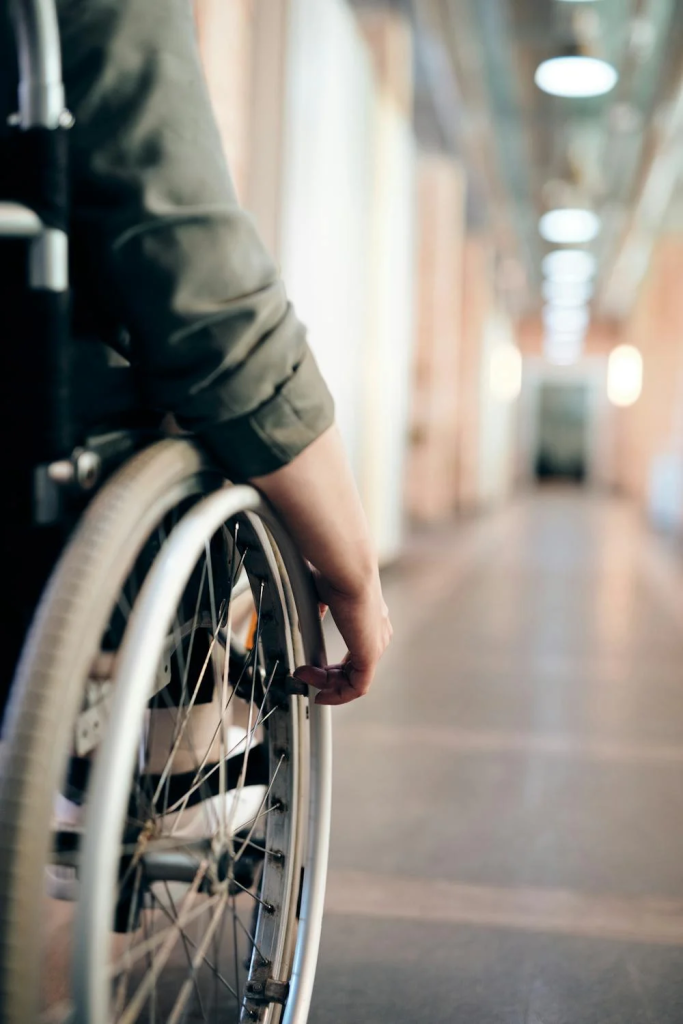
“It’s not a question of budget; accessibility doesn’t increase construction costs. What’s really lacking is a deep understanding of what it means to design for everyone. Many believe that simply applying a list of requirements is enough, but accessibility must be an ongoing practice integrated throughout the entire design and construction process,” he stated.
Transforming everyday life
According to the specialist, accessible architecture can radically change the lives of people with disabilities, providing them with the independence necessary to actively participate in the community. She quoted one of her own phrases: “Inclusion is the goal and accessibility is the path,” emphasizing that the work of architects is to ensure that accessibility becomes a reality that facilitates social inclusion.
Inclusive park
One of the most significant projects led by Adis Ozuna is the Dominican Republic's first inclusive park, developed for the Nido para Ángeles Foundation, which works with children with cerebral palsy. This park has allowed the children to enjoy recreational activities adapted to their needs, which has had a significant impact on their development.
The designer envisions a future where accessibility is an integral part of every project from its earliest stages. Instead of being an add-on or a legal requirement, accessibility should be considered a fundamental component of design. To achieve this, she proposes integrating accessibility into architecture curricula and promoting stricter regulations that encourage accessible projects.
It's not an expense
In his advice to developers, governments, and communities, Ozuna emphasized that accessibility should not be seen as an expense, but as a long-term investment. He also highlighted the importance of involving people with disabilities in the planning and design of spaces, ensuring that these spaces are truly functional and useful.
The architect suggested that public policies should strengthen the monitoring of compliance with accessibility regulations and offer incentives for projects that promote social inclusion.
Towards a more inclusive city
With the aging population and the number of people with disabilities expected to increase in the coming years, universal accessibility is more important than ever. By 2050, it is estimated that over 20% of the population will be older adults, making the need to design inclusive spaces even more urgent.
Adis Ozuna concluded with a call to action: “Accessibility is a right, not an option. It is essential that all sectors commit to this principle, because we are all users of spaces and we all have the right to live in an accessible environment.”.







